Optimal Timing for Shrub Hedging
Shrub hedging is a popular landscaping technique used to create privacy screens, define boundaries, and enhance aesthetic appeal. The timing of hedging is crucial to ensure healthy growth and optimal appearance. Proper timing depends on the shrub species, regional climate, and specific landscape goals.
Spring is ideal for planting and trimming many shrub hedges as it promotes vigorous growth and allows plants to establish before the summer.
Late summer is suitable for light trimming to maintain shape, especially before the onset of colder weather.
Early fall offers an opportunity for pruning before dormancy, which can help improve plant health and structure.
In regions with cold winters, trimming during winter should be avoided as it can damage the shrubs and hinder recovery.
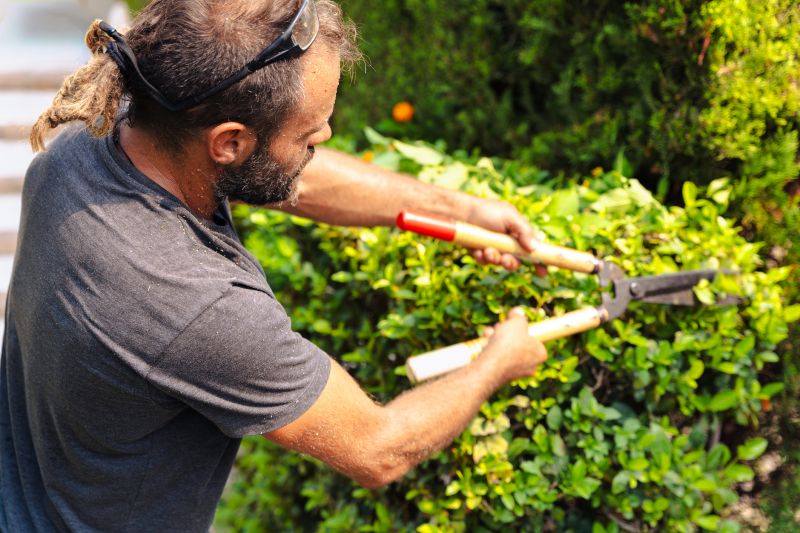
A gardener trims a lush shrub hedge during spring, promoting dense growth.
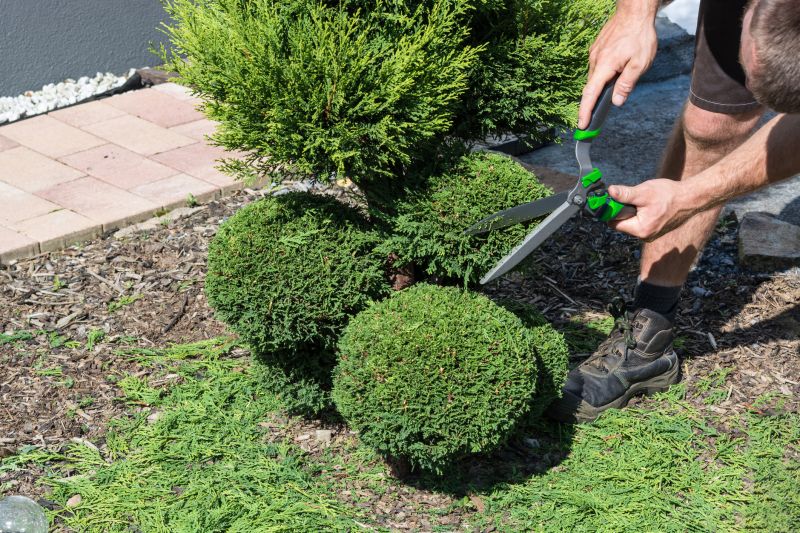
A well-maintained hedge being shaped in late summer for a neat appearance.
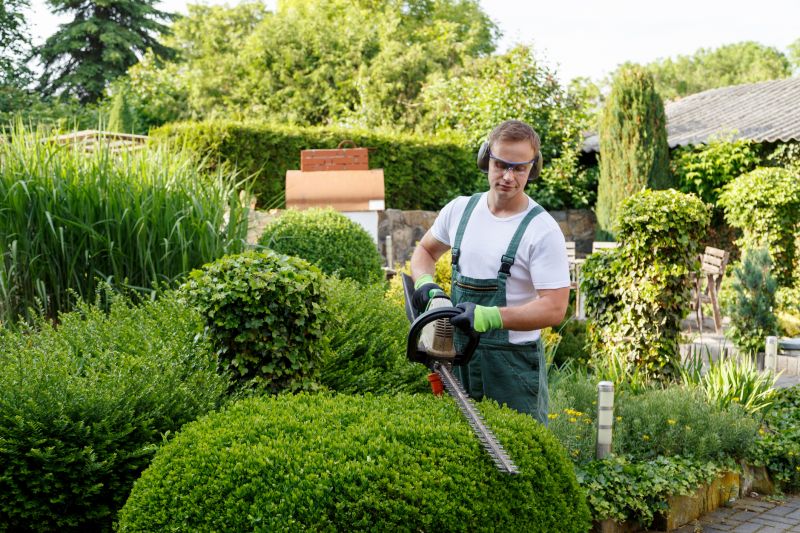
A landscaper prunes shrub hedges in early fall to prepare for winter dormancy.
A dormant hedge in winter, illustrating the period when trimming should be avoided.

Different regional climates influence the timing and frequency of hedge maintenance.
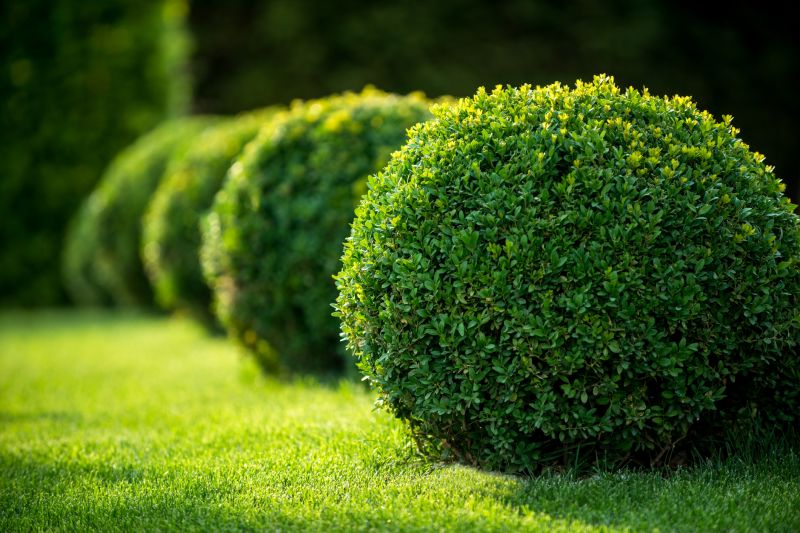
Close-up of healthy, vibrant shrub foliage after proper trimming.
| Season | Recommended Activities |
|---|---|
| Spring | Planting and early trimming to encourage growth. |
| Late Spring to Early Summer | Shaping and detailed trimming. |
| Late Summer | Light maintenance and shaping. |
| Fall | Pruning before dormancy, avoiding heavy cuts. |
| Winter | Minimal activity; avoid trimming in cold regions. |
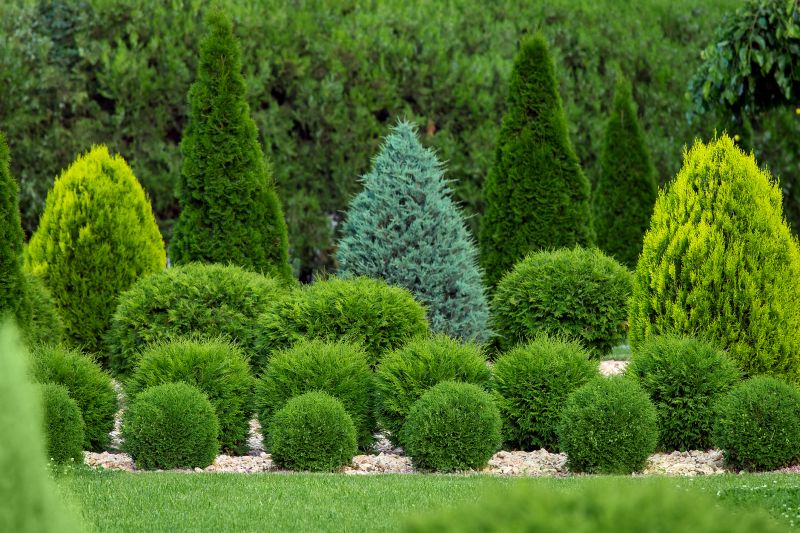
A vibrant, well-maintained shrub hedge demonstrating optimal health.
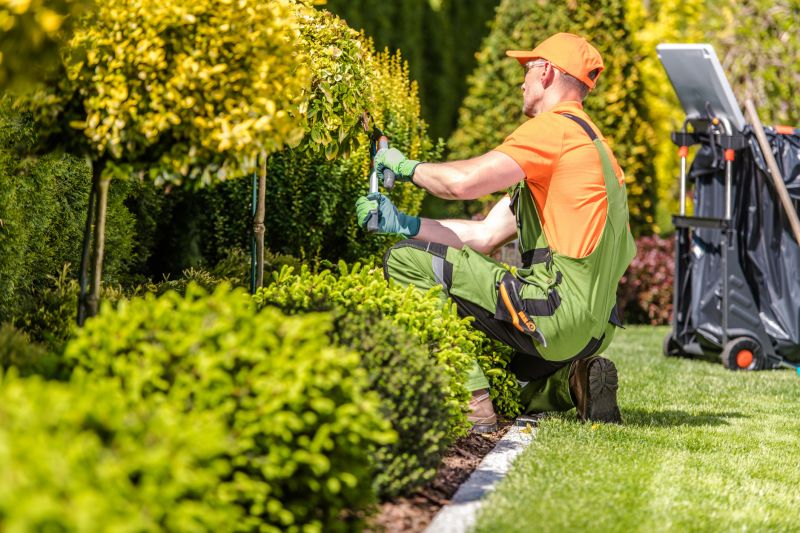
A gardener trimming a hedge in late summer for shape and density.
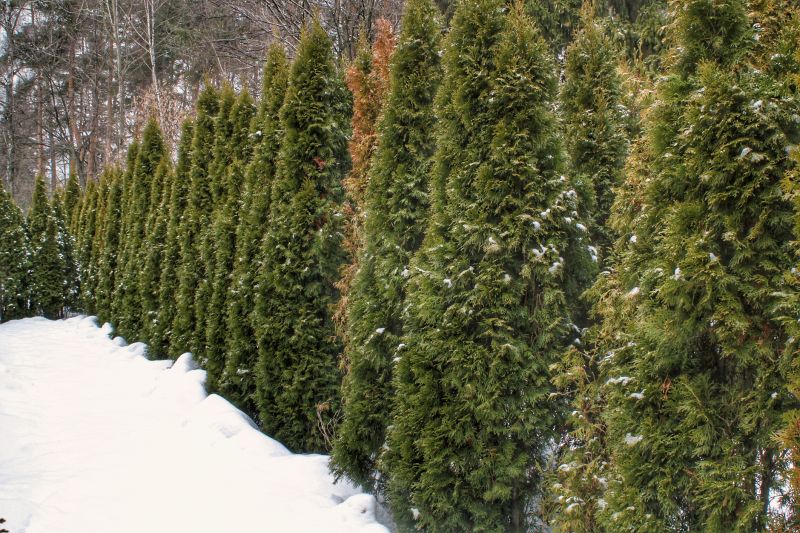
A hedge in winter dormancy, illustrating the importance of timing.
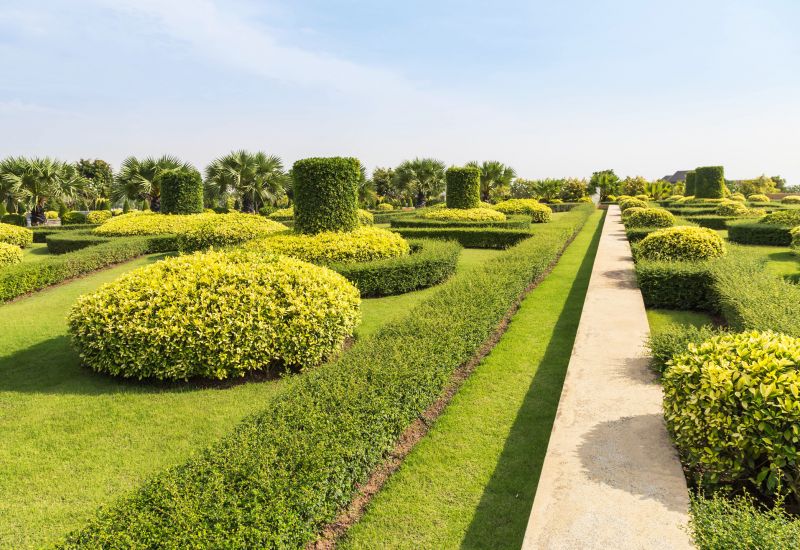
A landscape showcasing regional shrub hedging styles.
Interested in enhancing landscape privacy and aesthetics with shrub hedging? Filling out the contact form can provide tailored advice on optimal timing and maintenance practices suitable for specific regional conditions and shrub varieties.